

Planning guide · updated October 2026
From the first lot walk to move-in day: the phases of building a custom home in San Luis Obispo, Monterey and Santa Barbara counties, what sets the pace of each, and how long our own recent homes took to build.
The short answer
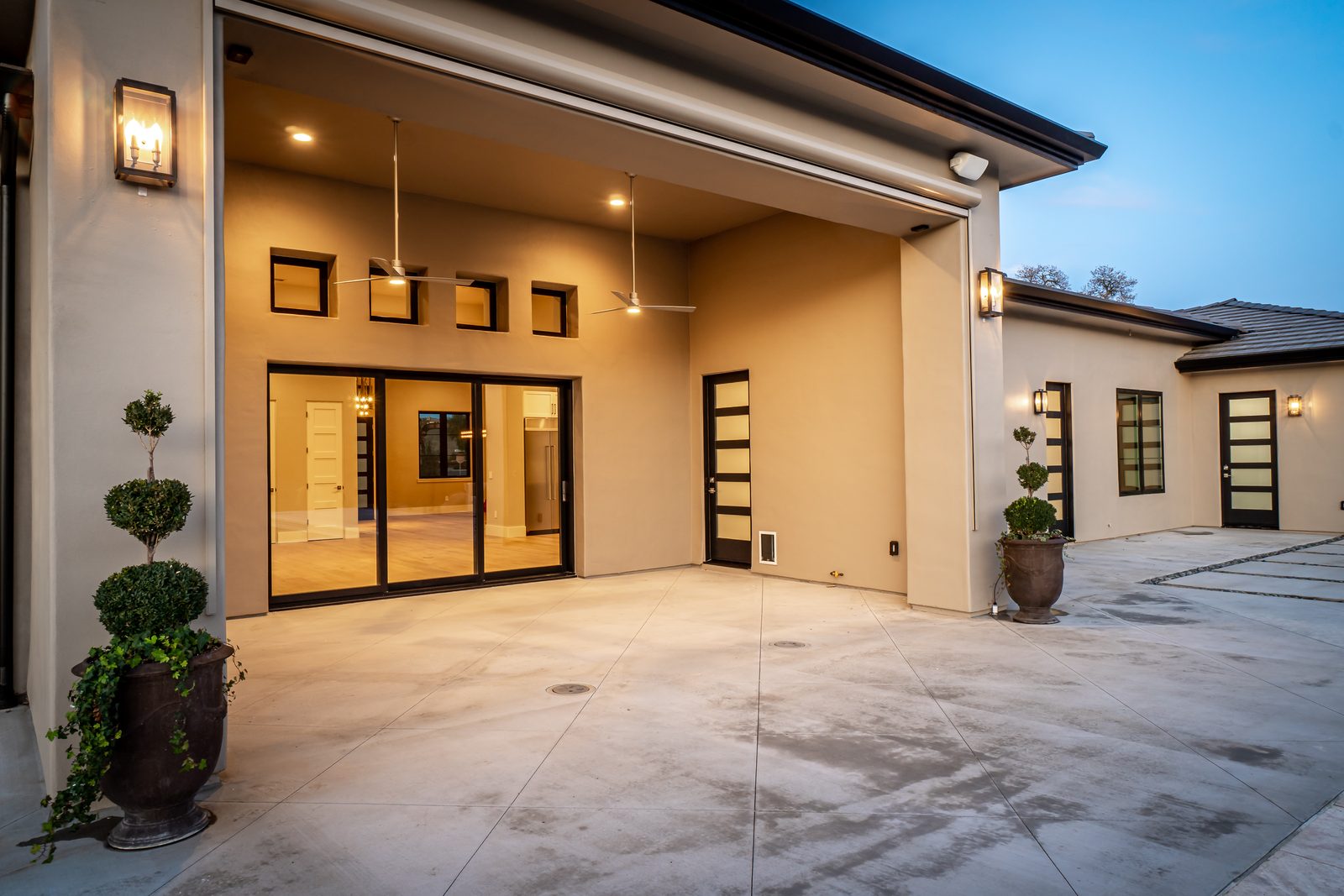
Construction on our own recent custom homes ran from 9 months to 14 months. Before that comes design, engineering and permits, which usually take longer than people expect, especially on coastal, hillside or design-review lots. The total depends on the site, the design and the permit path, so we give you a written schedule for your project before you sign.
Real projects
How long our recent homes took to build
- Tuscan Revival, Paso Robles: 3,202 sq ft, built in 9 months.
- Spanish / Santa Barbara Style, Paso Robles: 2,773 sq ft, a 9-month build.
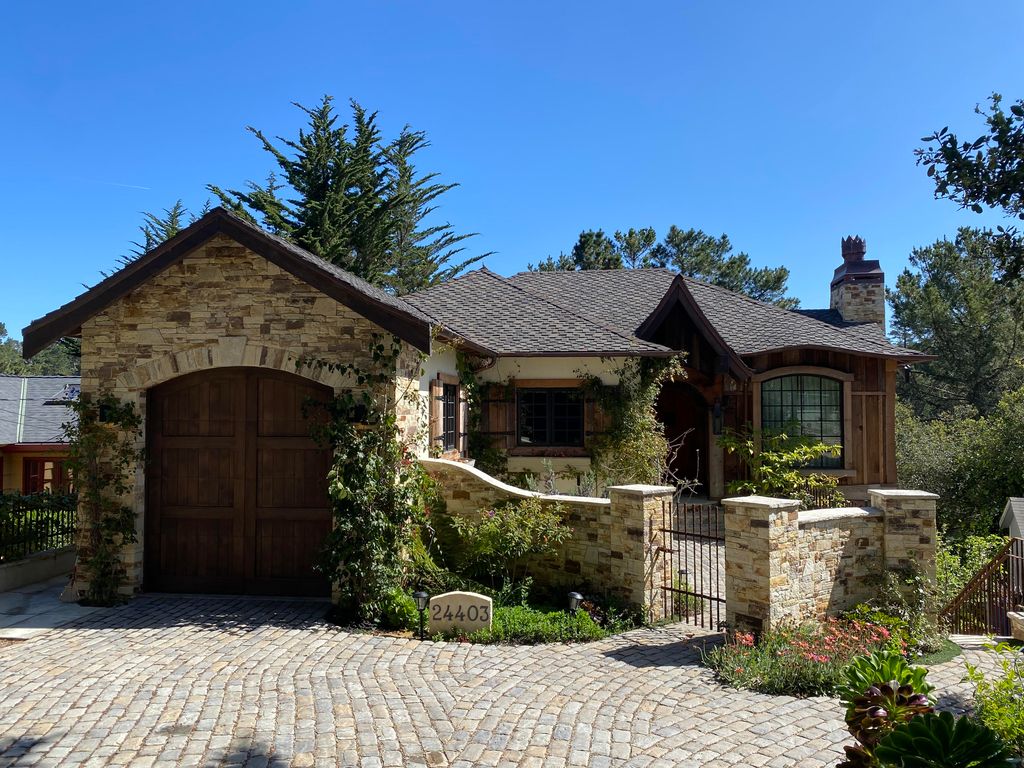
- Stone Cottage, Carmel-by-the-Sea: 2,500 sq ft, an 11-month build.
- Modern French Country, Templeton: 3,500 sq ft, built in 14 months.
- Contemporary, Morro Bay: 2,135 sq ft plus bonus room, a 14-month build.
These are construction times on finished Harrod Built homes. Size isn’t the main driver: the site, the structure, the finishes and the town’s inspections shaped each schedule.
The phases
From lot to move-in
1. Lot and feasibility
Before design, confirm what the lot allows: setbacks, slope, access, water and sewer or a well and septic, fire zone, coastal zone and any private design review. A free site walk with your builder at this stage saves months later.
2. Design
Plans go from a first layout to a full set. Your architect or our design studio, Harrod Drafting & Design, draws the house; we give cost and constructability input along the way so the design stays on budget.
3. Engineering and reports
Structural engineering, energy compliance under the California energy code (Title 24), a soils report, a survey, and whatever else the site calls for: septic design, biology, archaeology or arborist reports.
4. Permits and review
Plan check by the city or county, plus any planning, coastal or design review first. This is often the longest and least predictable stretch, and it is outside anyone’s full control, so we plan for it rather than guess.
5. Construction
Site work and utilities, foundation, framing and roof, rough plumbing, electrical and mechanical, inspections, insulation and drywall, then cabinets, finishes, fixtures and exterior work, and the final inspection. Fire sprinklers are required in new California homes and get inspected along the way.
6. Final and move-in
Final inspection, punch list and walk-through. Yards, patios and outdoor living can be built alongside the house by our sister company Paso Robles Landscaping, so the outside is done when the inside is.
What sets the pace
What makes a build faster or slower
- The permit path. A city plan check on a flat lot moves faster than a coastal development permit, a design-review hearing or a private association review.
- The site. Hillsides, long driveways, wells and septic all add work before framing. See our guide to building on a hillside lot.
- Design complexity. Tall walls, large openings, steel, stone and complex roofs take more time to build and inspect.
- Selections. Choosing cabinets, tile, windows, fixtures and appliances on time keeps the schedule moving; late changes and long-lead items slow it down.
- Weather and access. Winter rain, coastal fog and remote roads affect site work and deliveries.
By county
Where the schedule usually stretches
In San Luis Obispo County, coastal towns like Cambria, Los Osos and Pismo Beach add coastal review, and rural North County lots add wells and septic. In Monterey County, Carmel-by-the-Sea design review, Monterey Peninsula water, and private review in places like the Santa Lucia Preserve add steps. In Santa Barbara County, Montecito and Hope Ranch combine design review with fire-zone construction.
Time and money
Why the schedule belongs in your budget
A longer schedule means more months of construction loan interest, insurance and, often, rent. That is one reason we give you a written schedule before you sign, and update you every week once we start. For the cost side, see our Central Coast custom home cost guide.
Every site is different. The fastest way to know what your lot needs is a free site walk. Call 805-712-8993 or contact us.

How long does it take to build a custom home on the Central Coast?
Construction on our own recent custom homes ran from 9 to 14 months. Design, engineering and permits come first and usually take longer than people expect, especially on coastal, hillside or design-review lots.
What takes the longest?
Usually design and permits, not construction. Planning, coastal or design review can add the most time, and it varies by town and site.
Can I speed up my build?
Picking selections early, avoiding late design changes and starting with a site walk before design all help. We give you a written schedule before you sign.
Do you give a schedule up front?
Yes. We give you a written construction schedule for your project before you sign, and weekly updates once we start.
Cost by town
Custom home cost in other towns
Same rough ranges, different local costs: permits, fees, water, trees and site work change from town to town.
Planning guides
Budget and planning guides
What a custom home costs in Carmel
Design review, tree permits, water and tight lots: the Carmel-specific costs, with Michael’s rough ranges.
What a custom home costs on the Central Coast
Rough per-square-foot ranges for SLO, Monterey and Santa Barbara counties, and what moves a home between them.
Cost to build a custom home in SLO County
What drives the budget on a Central Coast custom home, and how to get a real number.
ADU cost on the Central Coast
Detached, attached or conversion: what moves the price of an ADU or guest house.
Home remodel cost in Paso Robles & SLO County
Kitchens, baths, whole-home remodels and additions: the cost drivers we see.
Building on a hillside lot
Soils, foundations, retaining walls, drainage and access: what a sloped lot adds before the house begins.
Building with a well and septic in North County
Wells, septic under the County LAMP, Paso basin and will-serve letters: what a rural North County lot needs before the house.
Building in a fire hazard severity zone
What Chapter 7A (and the California Wildland-Urban Interface Code) change on the roof, vents, walls, windows, decks and landscape.
Build or buy a custom home on the Central Coast
Honest comparison: custom new build vs buying an existing home in SLO, Monterey and Santa Barbara counties.
SLO County building permits: city vs county
Seven cities vs unincorporated PermitSLO, planning vs building, coastal permits and fire-zone steps.
Coastal development permits in SLO County
Cambria, Cayucos, Morro Bay, Pismo Beach and Avila Beach: exempt vs CDP vs Minor Use Permit, and Coastal Commission appeals.
Start your project
Planning a custom home? Ask us for a schedule.
A few details help us call you back with useful answers about budget, schedule and permits.
805.712.8993michael@harrodbuilt.com
1345 Riverside Ave, Paso Robles, CA 93446
CSLB License #986950