

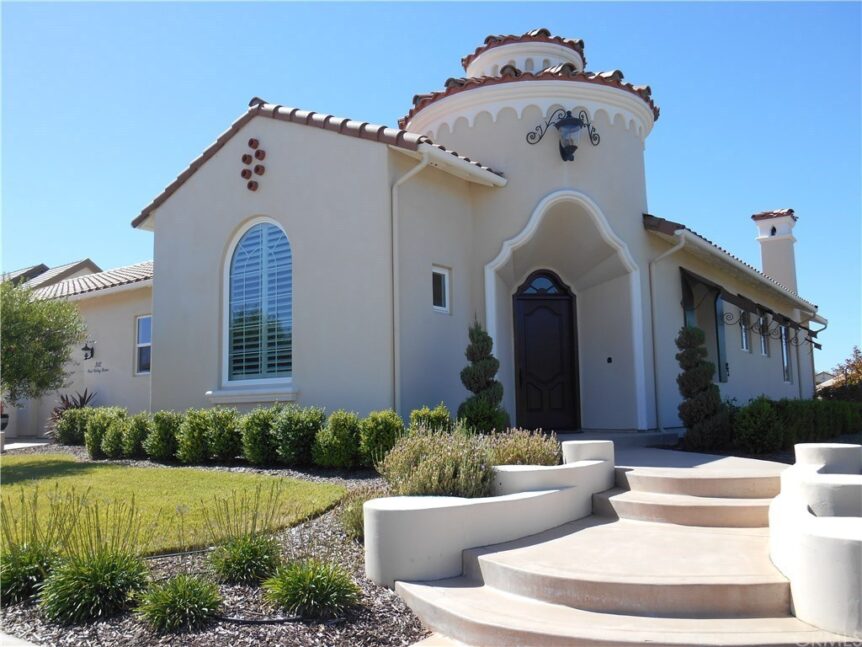
What to Expect in Your First Meeting With a Custom Home Builder
Your first meeting with a custom home builder is where your dream home starts becoming real. This conversation shapes everything that follows—from design direction to budget alignment to how smoothly construction unfolds. Walk in prepared, and you’ll walk out with clarity, confidence, and a solid foundation for your project.
This guide covers exactly what to bring, what to ask, and what to watch for so you can make the most of this critical first step.
Why the First Meeting With a Custom Home Builder Matters
The initial consultation with a custom home builder is more than a casual introduction—it’s your chance to:
- Share your vision and see how the builder responds to your ideas
- Assess their communication style and project management approach
- Determine compatibility before committing to a months-long partnership
- Set expectations around budget, timeline, and process
Pay attention to how the builder listens, asks questions, and explains their process. A productive first meeting builds trust and signals whether this builder can deliver the home you’re envisioning.
How to Prepare for Your First Custom Home Builder Meeting
Coming prepared helps you get accurate guidance from the start and shows the builder you’re serious. Here’s what to bring and think through before you arrive.
Define Your Budget and Goals
Before your meeting, establish a realistic budget range—not a vague idea, but a number you’ve discussed with your lender or financial advisor. Consider:
- The total amount you can invest (including land, construction, and finishes)
- The approximate square footage you can afford
- Your architectural style preferences (modern farmhouse, hill country contemporary, traditional, etc.)
- Your top three non-negotiable features
Knowing your priorities upfront helps your builder provide accurate estimates and avoid wasted time designing a home outside your budget.
Gather Inspiration and Must-Have Features
Collect visual examples that represent your style—photos from Houzz, Pinterest boards, magazine clippings, or screenshots from home tours. Organize them by category:
- Exteriors: Facade styles, rooflines, materials, landscaping
- Interiors: Kitchen layouts, bathroom finishes, flooring, lighting
- Floor plans: Room arrangements, flow, special spaces (home office, media room, outdoor living)
Also note what you don’t want. Knowing your dislikes helps your builder avoid design directions that won’t resonate.
Understand Your Lot and Zoning Requirements
If you already own land or have a lot under contract, bring:
- A property survey (or request one from your builder’s surveyor)
- Photos of the lot showing slopes, trees, views, and access points
- Any HOA guidelines or deed restrictions
- Known zoning regulations (setbacks, height limits, impervious cover limits)
Soil conditions, drainage, and topography affect foundation costs and design feasibility. Sharing this information early lets your builder identify potential challenges before they become expensive surprises.
Prepare a List of Lifestyle Considerations
Think beyond floor plans. Consider how your family actually lives:
- How many people will live in the home? Ages?
- Do you work from home and need dedicated office space?
- How do you entertain—large gatherings or intimate dinners?
- Any hobbies requiring special spaces (workshop, music room, home gym)?
- Accessibility needs now or in the future (aging in place)?
A custom home should fit your life—not the other way around.
What to Discuss in Your First Builder Consultation
The first consultation is a two-way conversation. You’re sharing your vision; the builder is explaining their process and assessing whether your project is a good fit for their team.
Expect to cover:
- Your timeline: When do you want to break ground? When do you need to move in?
- Your budget range: Be honest—this helps the builder give realistic guidance
- Your design preferences: Share your inspiration and must-haves
- The builder’s process: How do they handle design, selections, construction phases, and communication?
- Their experience: Have they built homes similar to what you want?
By the end, you should understand what working with this builder looks like—and whether it feels like the right fit.
12 Essential Questions to Ask a Custom Home Builder
Don’t leave your first meeting without asking these questions. The answers reveal the builder’s professionalism, transparency, and reliability.
1. What Is the Expected Timeline for My Custom Home?
Custom homes typically take 10–16 months to build, depending on size, complexity, and site conditions. Understanding the schedule helps you plan temporary housing and manage expectations. Ask what factors could cause delays and how they communicate timeline changes.
2. How Much Experience Do You Have With Homes Like Mine?
A builder experienced with your home style (waterfront, hillside, modern, traditional) will anticipate challenges and deliver better results. Ask to see examples of similar projects in their portfolio.
3. What Exactly Is Included in the Estimate?
Builders structure pricing differently. Request a detailed breakdown covering:
- Materials and finishes (are allowances included, or are these placeholder numbers?)
- Labor costs
- Permits and fees
- Site work (clearing, grading, driveway, utilities)
- What’s not included (landscaping, window treatments, appliances)
Clarity here prevents sticker shock later.
4. How Are Change Orders Handled?
Changes during construction are common—but they affect cost and timeline. Ask how modifications are documented, approved, and priced. A clear change order process prevents misunderstandings.
5. Who Will Manage the Job Site Daily?
Know who’s responsible for keeping your build on track. Will you have a dedicated project manager or superintendent? How often will they be on-site? Who do you contact with questions or concerns?
6. What Warranty Do You Provide?
A reputable builder stands behind their work. Ask about:
- Workmanship warranty (typically 1–2 years)
- Structural warranty (often 10 years)
- How warranty claims are handled
7. Do You Handle Permits and Inspections?
Permits and inspections are required at multiple stages of construction. Most custom builders manage this process entirely, but confirm. A builder who handles permitting streamlines your project and ensures code compliance.
8. How Will We Communicate Throughout the Build?
Ask about their communication cadence and tools:
- Weekly calls or emails?
- Project management software with progress photos (like Buildertrend or CoConstruct)?
- Who’s your primary point of contact?
Clear, consistent communication prevents confusion and keeps you informed.
9. How Do You Select and Vet Subcontractors?
Subcontractors do the hands-on work—framing, electrical, plumbing, finishes. Ask how the builder evaluates and selects their trade partners, how long they’ve worked together, and how quality is ensured.
10. How Do You Handle Material Shortages or Delays?
Supply chain issues can affect timelines and costs. Ask how the builder anticipates and manages delays, whether they pre-order long-lead-time materials, and how they communicate setbacks.
11. What Is Your Quality Control Process?
A detail-oriented builder has defined checkpoints at each construction phase—foundation, framing, rough-in, finishes. Ask how inspections are conducted and documented, and how issues are identified and corrected.
12. Can I See Examples of Your Recent Work?
This is essential. Ask to see completed homes, tour an active job site, or review a portfolio of projects similar to yours. If a builder is reluctant to share their work, consider it a red flag.
What Your Builder Will Expect From You
A successful custom home project is a partnership. Your builder will expect:
- A general vision: You don’t need every detail figured out, but a clear direction helps
- A realistic budget: Transparency about what you can spend allows accurate planning
- Timely decisions: Delays in selections or approvals can stall construction
- Open communication: Share concerns early rather than letting issues fester
- Collaboration: The best outcomes come from working together, not handing off and disappearing
Red Flags to Watch for During Your First Meeting
Your first meeting is also an opportunity to spot warning signs. Be cautious if the builder:
- Is vague about pricing or can’t explain what’s included in estimates
- Won’t confirm licensing and insurance or hesitates when asked
- Seems irritated by questions or dismissive of your concerns
- Can’t clearly explain their process or timeline
- Pressures you to sign quickly without giving you time to evaluate
- Has no portfolio or references to share
- Badmouths other builders or former clients
Trust your instincts. If something feels off, it’s worth finding a builder who’s a better fit.
Quick Checklist: What to Bring to Your First Builder Meeting
- ☐ Budget range (pre-approval letter if available)
- ☐ Inspiration images organized by category
- ☐ List of must-have features and deal-breakers
- ☐ Property survey, photos, and site information (if you have a lot)
- ☐ HOA guidelines and zoning restrictions
- ☐ List of lifestyle considerations (family size, work-from-home needs, entertaining style)
- ☐ Timeline goals (desired start date and move-in date)
- ☐ List of questions to ask
Ready to Start Building?
Your first meeting with a custom home builder sets the tone for your entire project. Come prepared with a clear vision, realistic budget, and thoughtful questions—and pay attention to how the builder listens, communicates, and explains their process.
The right builder will make you feel heard, informed, and confident about moving forward. If you’re ready to take the next step, schedule a consultation to discuss your custom home project.