

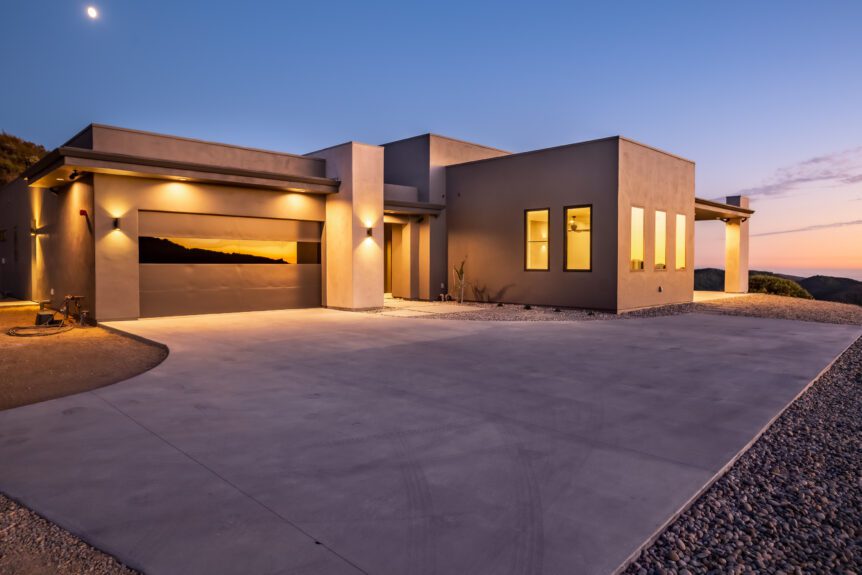
When you’ve decided to build your dream home, you’ll need to determine if you want to build on your own lot, if you already own one, or if you want to buy land. Consider your budget, timeframe, and investment goals when making the decision. Building on your own lot may be less risky, while buying a piece of land may provide different advantages. Recognizing the obstacles and benefits of each is helpful when you need to choose between these two options. In this article, we’ll clarify what’s important to understand about each.
Understanding the Difference Between Building on Your Own Lot and Buying Land
You can move directly into the design and construction phase if you already own the property. When you buy land, you’re investing in its potential, but it has to be developed first before starting to construct your home. While you have the advantage of selecting the location you want, the site still needs preparation, so the process takes more time. Building on your own lot shortens the timeline and reduces your initial expenses.
Cost Comparison: Building on Your Lot vs. Buying New Land
Building a home on your own lot is more economical because you’ve already paid the cost of acquiring the land. While you should plan to have site preparation costs and permit fees, most of your budget can go into new home construction and custom features. Buying new land includes an upfront investment, including the purchase price, site surveys, and zoning approvals. New land requires utility connections, including water, sewer, and electrical service, before construction starts. The price of these improvements depends on where you live and the scale of your home. Compared to buying new land, building on property you already own is usually faster and less costly. If your lot doesn’t have infrastructure, water and sewer lines need to be added, as well as access to electricity, before building starts. It’s usually less expensive and faster to build on a lot you already own.
Hidden Costs You Should Expect With Both Options
When buying land or building a custom home on your own lot, there are hidden costs and potential mistakes when building a custom home you should be aware of in addition to the purchase price and construction budget. There may be expenses for adding drainage systems or stabilizing the soil that you haven’t anticipated. Some buyers don’t realize they have to pay for permits and inspections required by their local municipality. To ensure your property is accessible, you might need to have driveways or roads added. Make sure you have a financial cushion if unplanned events and expenses occur, so your schedule isn’t impacted.
Advantages of Building on Your Own Lot
When you make the decision to build a home on your own lot with a custom home builder, you’re creating a space that’s truly personal. You get to pick the perfect location, the design, the finishes, and the layout that works best for you and your family. It’s a smart financial investment because you’ll have equity in the land along with upgrades that have long-term value. You’re not simply building a house; you’re creating a comfortable home with features that fit your lifestyle and creating a foundation for memories and a legacy that will last for generations to come.
Potential Challenges of Building on Your Own Lot
Building on your own lot ensures you have ownership of your project, but multiple challenges can potentially arise during your build that you’ll have to deal with. They can cost time and money when they’re unexpected:
Site Preparation: Preparing a home site takes more effort than most people understand. If it needs brush or trees cleared out, has ground that needs to be graded, or rocks that need removal, construction might be delayed and increase your expenses.
Zoning and Permits: Local zoning laws and building codes may limit what you’re allowed to build on your lot, so you may have to adjust your plan.
Access to Utilities: Installing connections for electricity, water, sewer, and gas may take time and
Hidden Costs: It’s easy to underestimate costs like adding drainage, installing a driveway, or temporary living arrangements, and these expenses can push your budget higher than you expected.
Financing: Custom builds can be more difficult to get funding for than a home in a planned development. You may have to make a higher down payment and provide building plans to the lender.
Environmental and Soil Issues: Standing water, unstable soil, or environmental restrictions are obstacles that could prevent you from building or delay the process.
Responsibility for Project Management: If you don’t hire an experienced builder to oversee your build, you may end up having to do it yourself, which can take a great deal of time and be overwhelming.
Site Evaluation: Ensuring the Lot Is Build-Ready
Your site needs to be evaluated to ensure its build build-ready prior to construction. Zoning laws and permits from the local government determine what you can build on your property, and your builder should be aware of these. Soil quality, drainage, and grading should be assessed to ensure your land will support a foundation for your home. Water, sewer, and electrical connections need to be available, too. A build ready lot means your dream home will endure for many years to come.
Pros of Buying New Land
- The ability to choose the precise location that fits your lifestyle and investment goals
- You can design and build a custom home with the features and specifications that you pick
- Has the potential for long‑term appreciation
- Can secure a larger property for privacy, farming, or recreation
- Potential for future expansions or adding structures
- Avoiding HOA restrictions
Cons of Buying New Land
- Potentially high initial costs for land purchase, surveys, and closing fees
- Expenses for site preparation, grading, and utility access
- Limitations due to zoning restrictions that may affect building plans
- Possible delay in beginning construction when waiting for permits and approvals
- Difficulties in securing raw land loans
- Lack of access roads, poor soil quality, and flood zones
- More oversight is needed than when buying in a planned community
What are the most common issues homeowners face when buying new land?
When buying new land, buyers face restrictions and zoning laws that dictate the type of structure or home that can be built on each property. Another challenge they sometimes face is connecting to water, sewer, or electricity if their land is undeveloped. Lenders are also sometimes more cautious about loaning money for raw land purchases than they are for traditional home loans. These factors may delay construction, making the entire homebuilding process more challenging and complicated.
Timeline Differences: Which Option Gets You Into Your Home Faster
If you already own your lot, the building process will be faster than if you have to buy one. Building on your lot allows you to skip the lengthy process of buying property, so you can promptly start planning and construction. When you buy a new piece of land, it requires you to wait for closing, get permits approved, and prepare the site. All of these take time. When you decide to build on your own lot, you can immediately focus on creating a home that’s perfect for you instead of spending time on closing paperwork and site preparation, and you’ll likely be living in your new home sooner than if you wait to buy land.
Risk Level: Which Decision Carries Fewer Uncertainties
The risks when you own your own lot aren’t as much about the property because you’re already aware of its potential, location, and boundaries. Buying land is more unpredictable because it’s subject to zoning laws, a lack of infrastructure, and flood zones. When you already own the land, you have more control over the variables, and there are fewer surprises. Planning carefully and accessing professional help can reduce your risks either way.
Resale Value Considerations: Which Option Offers Better Long-Term Value
Well-designed homes with equity appeal to more buyers than raw land, because the buyer doesn’t have to imagine if the home will be livable. When a turnkey home is available, buyers will pay more for it than for raw land because they can envision themselves living in an actual home. The value of raw land depends on demand in the area, zoning, and location. It can be harder to sell because the buyer assumes the burden and demands of developing the property themselves, which can feel overwhelming. Land value might increase, but it rarely increases like the value of a finished home. Building on your own lot typically provides a better return on investment than a piece of land.
Choosing the Right Option for Your Goals
Our Harrod Built team guides our clients through each stage of the homebuilding process, from evaluating raw land you are considering purchasing to final construction of your home on property you already own. We can help you understand if your property is ready to build on, determine if it’s zoned for your needs, and work with architects and designers to create a home that exceeds your expectations. We ensure all the details are managed so you have peace of mind knowing that the home we create for you will be built to last.